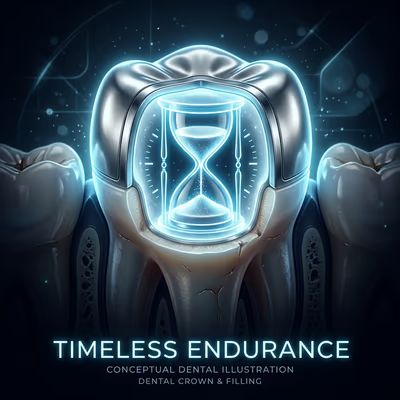
A common misconception among patients is that once a cavity is filled or a tooth is crowned, that specific tooth is "fixed permanently." However, any material placed into the human mouth is subjected to one of the most hostile environments in the human body: massive crushing forces, rapid thermal fluctuations, and constant bacterial acid attacks.
Because of this intense environment, all dental restorations have an empirical lifespan.
Average Lifespans by Material
- Composite Resin (White Fillings): Under normal conditions, these last between 5 to 10 years. They are highly aesthetic but can degrade due to marginal leakage or fracture under heavy biting forces.
- Amalgam (Silver Fillings): Historically known for durability, these can last 10 to 15+ years. However, as amalgam ages, it expands and contracts differently than the tooth, often causing the surrounding natural enamel to crack.
- Ceramic and Zirconia Crowns: High-quality laboratory-fabricated crowns typically last 10 to 15 years, though exceptional home care can extend their viability past 20 years.
The Mechanisms of Failure
Restorations rarely "fall out" on their own without an underlying biological failure.
The primary cause of failure is Secondary Caries (new decay). A filling seals the hole in the tooth, but a microscopic seam (the "margin") always exists between the restorative material and the natural enamel. If plaque is allowed to accumulate at this margin, bacteria secrete lactic acid that dissolves the natural tooth underneath the filling. Because the decay happens underneath the restoration, it is entirely invisible to the naked eye and can only be detected via physical tactile exams and digital X-rays.
The second leading cause is Mechanical Fracture. Years of chewing cycles create microscopic stress fractures in both the ceramic and the underlying tooth. For patients who clench or grind their teeth (bruxism), this process is exponentially accelerated, causing 15-year materials to shatter in 5 years.
Maximizing the Lifespan
To achieve a 20+ year lifespan for your dental work, two factors must align:
- Clinical Excellence: The restoration must be placed in a completely isolated, clean environment to ensure perfect chemical adhesion.
- Biological Maintenance: You must keep the margins entirely free of acidic biofilm and wear an occlusal night guard if you show signs of grinding.
Are you experiencing sudden sensitivity around an old filling, or has it been more than a decade since your crowns were placed? Restorations have expiration dates. At Órale Care in Kirkland, we utilize high-magnification digital sensors to evaluate the microscopic margins of your existing dental work, identifying early failures before they escalate into painful infections. Schedule a restorative evaluation today to protect your dental investments.
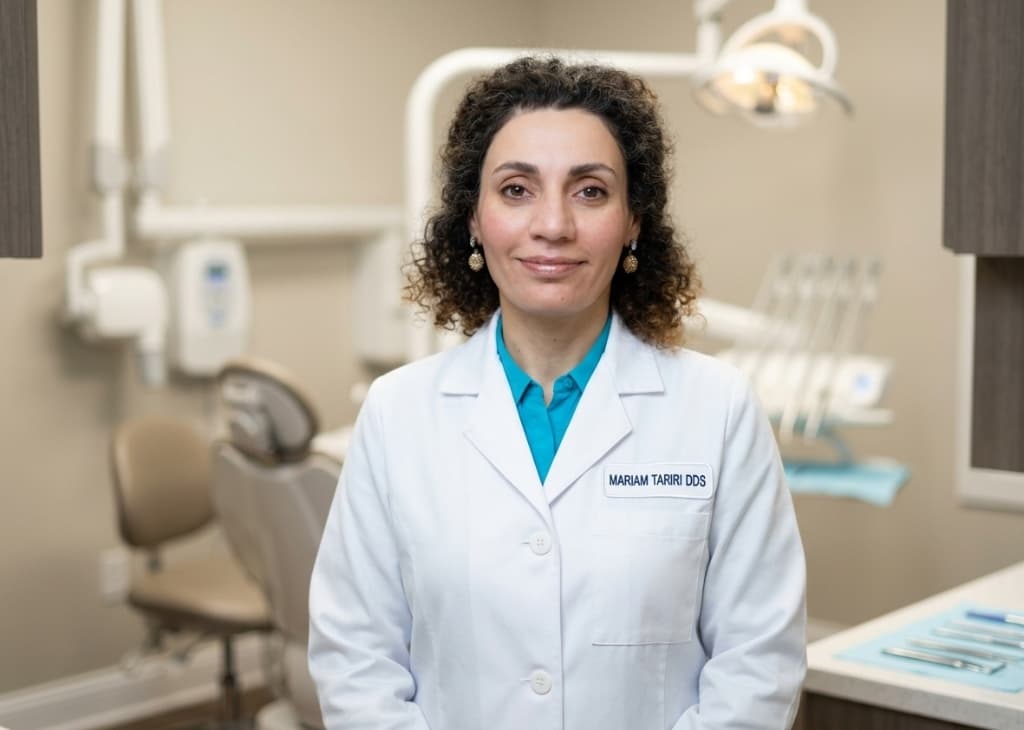
Dr. Mariam Tariri
Lead Dentist, DDS
Dr. Mariam Tariri is a graduate of the University of Washington School of Dentistry and is dedicated to providing conservative, precise dental care to the Kirkland community. She is an active member of the ADA and WSDA.
View Professional Profile →Medical Disclaimer: The information provided on the Órale Care website is for educational and informational purposes only. It is not intended as a substitute for professional dental or medical advice, diagnosis, or treatment. Always seek the advice of your dentist or other qualified healthcare provider with any questions you may have regarding a medical condition or treatment.