
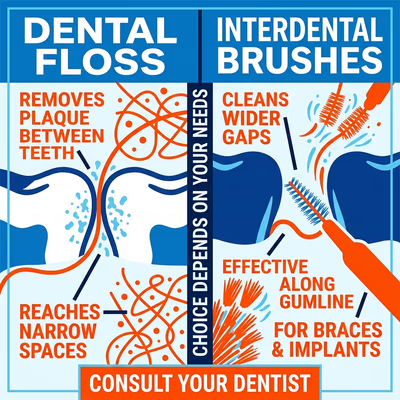
For decades, the universal command from dental professionals has been to "floss daily." Traditional nylon string floss is the most heavily marketed interdental tool in the world.
However, modern clinical research has revealed a startling truth: for millions of adult patients, especially those over the age of 40, string floss is not only incredibly difficult to use correctly, but it is often the wrong biological tool for the job.
Understanding the "Embrasure Space"
To understand why string floss fails, you must look at the triangle-shaped gap between your teeth, down by the gums. Dentists call this gap the Embrasure Space.
- Type I Embrasures (Healthy/Young): In youths, the pink gum tissue (the papilla) completely fills this entire triangular gap. The teeth touch tightly. In this specific scenario, String Floss is perfect. It slides through the tight contact and scrapes the flat enamel wall effectively.
- Type II & III Embrasures (Adults/Recession): If you have ever had braces, mild gum disease, or normal aging, the pink gum tissue shrinks slightly. This leaves an open, visible dark triangle between the teeth.
The Anatomy of a Molar
If you have a Type II or III open gap, traditional string floss becomes nearly useless, especially on the back molars.
Why? Because the roots of your back molars are not perfectly flat cylinders. They have deep inward concavities and curves. When you pull a piece of string floss tightly between two molars, the string pulls straight and taut. It completely bridges right over the deep concavities, missing the plaque entirely.
The Interdental Brush Advantage
If you have open gaps (recession) or bridges and implants, the clinically superior tool is an Interdental Brush.
These resemble tiny, flexible wire pipe-cleaners covered in soft bristles. Unlike a taut string, when you slide an interdental brush into a gap, the hundreds of tiny bristles expand instantly, diving deep into the concavities of the root and sweeping away massive volumes of sticky biofilm.
Meta-analyses published by the NIH show that for patients with open embrasures, interdental brushes drastically outperform string floss in removing plaque, drastically lowering bleeding scores, and increasing patient compliance because they only take one hand to use.
Are you flossing daily but still experiencing bleeding gums, tartar buildup, or receiving bad news at your cleanings? You might be using the wrong tool for your unique anatomy. At Órale Care in Kirkland, our hygienists map out your specific embrasure spaces and custom-prescribe the exact millimeter size of interdental brushes required to effectively clean your biology. Schedule your customized hygiene coaching session today.
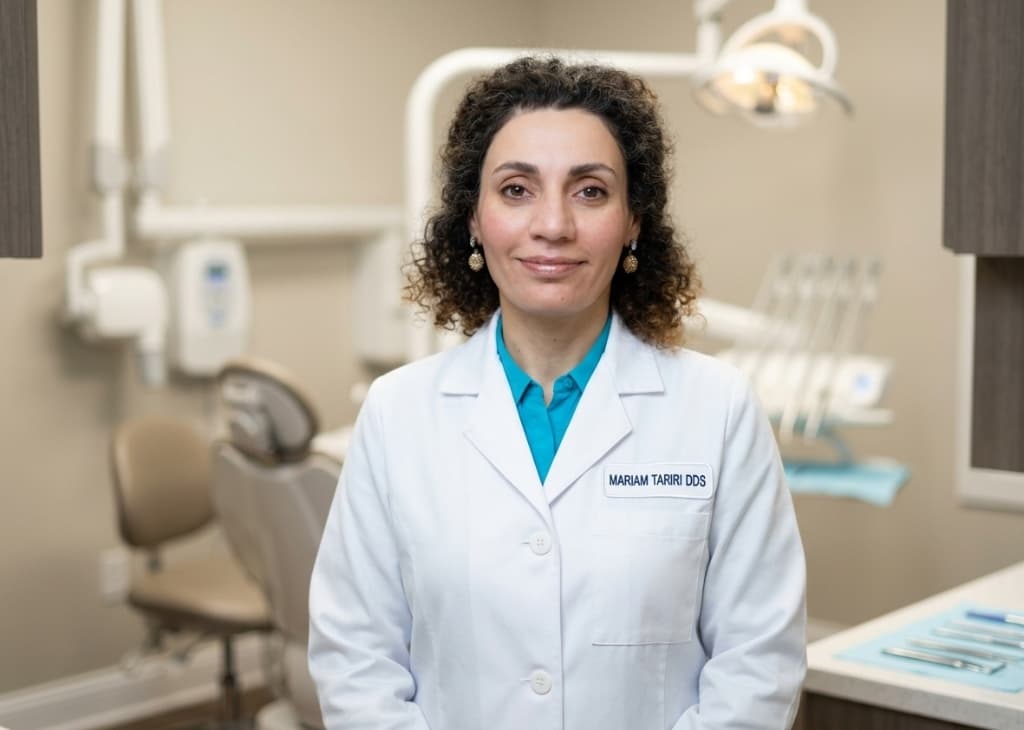
Dr. Mariam Tariri
Lead Dentist, DDS
Dr. Mariam Tariri is a graduate of the University of Washington School of Dentistry and is dedicated to providing conservative, precise dental care to the Kirkland community. She is an active member of the ADA and WSDA.
View Professional Profile →Medical Disclaimer: The information provided on the Órale Care website is for educational and informational purposes only. It is not intended as a substitute for professional dental or medical advice, diagnosis, or treatment. Always seek the advice of your dentist or other qualified healthcare provider with any questions you may have regarding a medical condition or treatment.