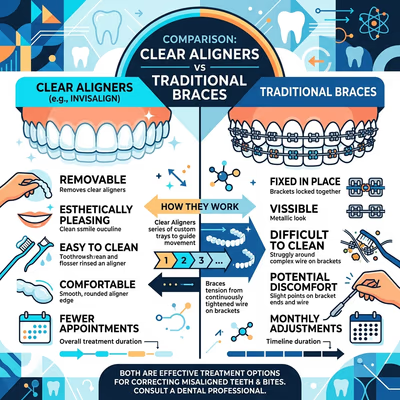
When patients consider orthodontics to straighten their teeth, the decision between Traditional Braces and Clear Aligners (like Invisalign) is usually framed around aesthetics: clear plastic is visually preferable to metal wires.
However, from a clinical and biological perspective, the differences between the two systems are profound. They alter the health of your roots and gums in dramatically different ways.
Plaque Control and Periodontal Health
The most significant biological advantage of clear aligners is that they are completely removable.
Traditional metal braces consist of brackets physically glued to the center of every tooth, connected by a highly retentive wire. This creates hundreds of microscopic traps for plaque and food. Even with excellent brushing, patients in braces almost universally experience a massive spike in gingival inflammation (gingivitis), bleeding gums, and "white spot lesions" (permanent enamel scarring caused by the acid sitting around the metal bracket).
With clear aligners, you simply pop the trays out before you eat. You can brush and floss your teeth precisely as you normally would, with zero obstructions. Clinical studies overwhelmingly confirm that clear aligner patients maintain dramatically lower plaque scores, significantly healthier pink gums, and zero bracket-induced enamel scarring.
The Mechanics of Root Resorption
To move a tooth through the jawbone, orthodontics must apply physical force. However, if this force is too heavy or too constant, the body panics and the root of the tooth begins to physically dissolve away—a permanent condition known as Apical Root Resorption.
- Traditional Braces apply continuous, unrelenting force 24 hours a day. The metal wire is constantly pulling, offering the biological tissues zero time to rest and recover.
- Clear Aligners apply intermittent force. Each plastic tray is engineered to move the tooth exactly 0.25 millimeters. Once the tooth reaches its new position inside the tray (usually within 3-4 days), the profound force stops. The tooth then rests in its new position for the next 10 days until you switch to the next tray.
Advanced research suggests that this rest period allows the cementum (the outer protective layer of the root) critical time to repair itself, leading to measurably lower incidences of severe root resorption compared to fixed metal mechanics.
Are you ready to achieve a perfectly aligned, highly functional smile without sacrificing the health of your gums and roots? At Órale Care in Kirkland, we combine cutting-edge 3D intraoral scanning with professionally supervised Clear Aligner Therapy. We engineer meticulous, biologically safe tooth movements to protect your foundation while delivering stunning aesthetic results. Book your clear aligner consultation today.
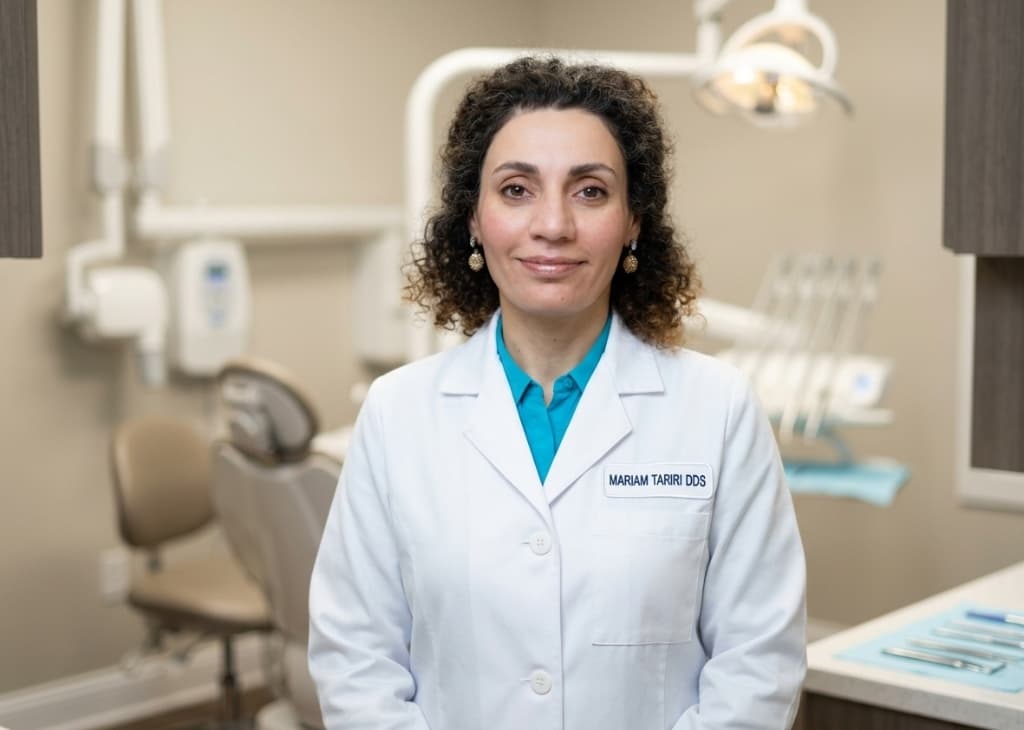
Dr. Mariam Tariri
Lead Dentist, DDS
Dr. Mariam Tariri is a graduate of the University of Washington School of Dentistry and is dedicated to providing conservative, precise dental care to the Kirkland community. She is an active member of the ADA and WSDA.
View Professional Profile →Medical Disclaimer: The information provided on the Órale Care website is for educational and informational purposes only. It is not intended as a substitute for professional dental or medical advice, diagnosis, or treatment. Always seek the advice of your dentist or other qualified healthcare provider with any questions you may have regarding a medical condition or treatment.