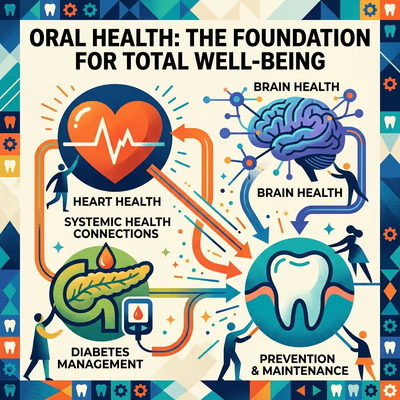
For decades, the mouth was treated in isolation from the rest of the human body. Today, extensive research by the National Institutes of Health (NIH) and leading medical institutions has firmly established the Oral-Systemic Link—the profound biological reality that the health of your oral cavity directly dictates the health of your systemic physiology.
At the center of this link is Periodontal Disease (gum disease), a chronic inflammatory infection of the tissues surrounding the teeth.
The Gateway to the Bloodstream
The gums are highly vascularized tissues. When periodontal disease establishes itself, the tissues become ulcerated and porous. This creates a direct physiological gateway for oral pathogens—such as Porphyromonas gingivalis—to enter the systemic bloodstream. Once in circulation, these bacteria trigger a cascading immune response.
1. Cardiovascular Disease (Heart Attacks & Strokes)
Bacteria from the mouth travel through the bloodstream and can directly attach to the fatty plaques in your coronary arteries. This contributes directly to atherosclerosis (the hardening of the arteries). The resulting chronic systemic inflammation increases the risk of blood clots, doubling the likelihood of suffering a fatal heart attack or stroke in patients with untreated periodontal disease, according to the American Heart Association.
2. The Bidirectional Diabetes Link
The relationship between diabetes and gum disease is a confirmed "two-way street."
- Individuals with uncontrolled diabetes are highly susceptible to severe periodontal infections due to compromised immune function.
- Conversely, severe gum disease creates massive systemic inflammation that inherently increases insulin resistance. Treating gum disease has been clinically proven to lower HbA1c levels in diabetic patients, proving that oral care is a critical component of diabetes management, as noted by the American Dental Association (ADA).
3. Alzheimer's Disease and Cognitive Decline
Emerging research is mapping a connection between oral pathogens and neurodegeneration. In recent autopsies of Alzheimer’s patients, researchers discovered concentrations of oral bacteria (specifically P. gingivalis) inside brain tissue. It is hypothesized that these bacteria travel from the mouth to the brain, secreting toxins that may accelerate cognitive decline, a link currently being studied by major institutions like the Mayo Clinic.
Conclusion
Your mouth is not a silo; it is the front door to your systemic health. Managing oral biofilm and preventing chronic gingival inflammation is no longer just about keeping your teeth—it is a mandatory component of extending your human lifespan and preventing chronic disease.
At Órale Care, we understand that we aren't just treating teeth—we are protecting your systemic health. Our advanced periodontal therapies target the specific bacteria linked to systemic diseases. If you have been diagnosed with diabetes, heart disease, or are experiencing bleeding gums, schedule a comprehensive periodontal evaluation with our Kirkland team today.
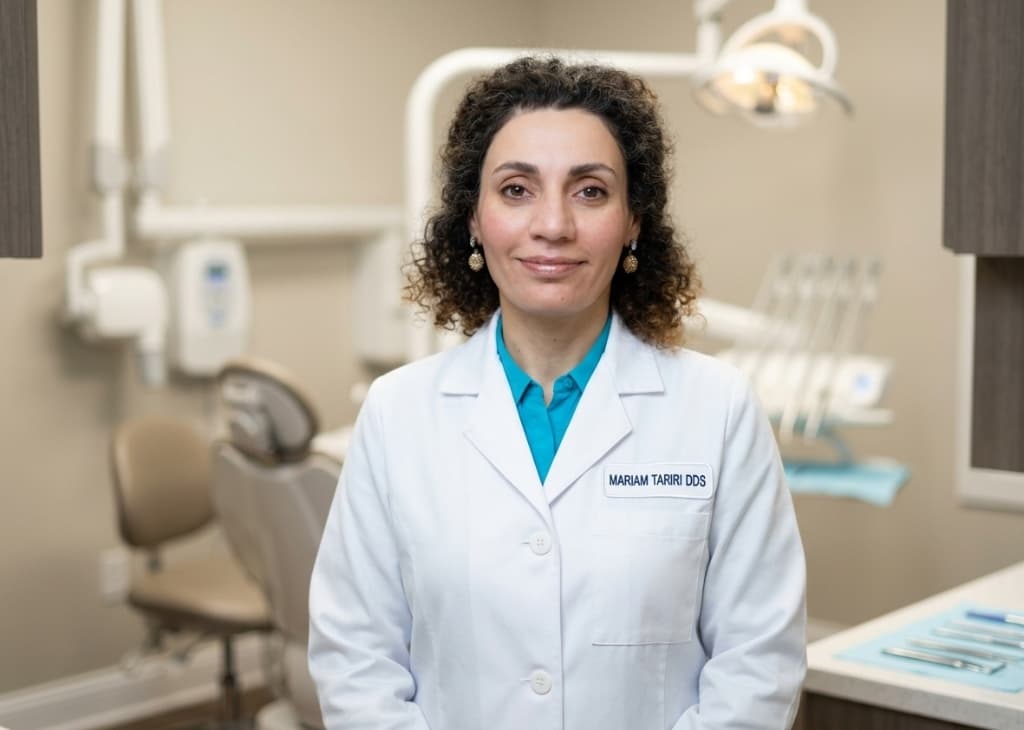
Dr. Mariam Tariri
Lead Dentist, DDS
Dr. Mariam Tariri is a graduate of the University of Washington School of Dentistry and is dedicated to providing conservative, precise dental care to the Kirkland community. She is an active member of the ADA and WSDA.
View Professional Profile →Medical Disclaimer: The information provided on the Órale Care website is for educational and informational purposes only. It is not intended as a substitute for professional dental or medical advice, diagnosis, or treatment. Always seek the advice of your dentist or other qualified healthcare provider with any questions you may have regarding a medical condition or treatment.