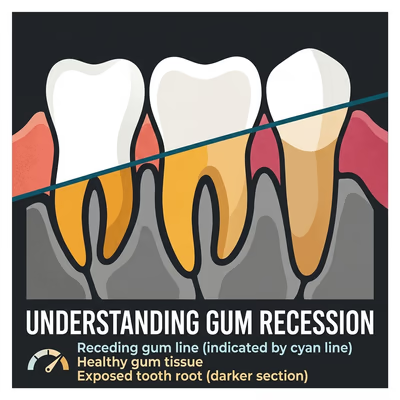
When patients notice their teeth suddenly looking "longer" or experience sharp sensitivity to ice water, they are usually discovering Gingival Recession—the biological migration of gum tissue away from the crown of the tooth, exposing the vulnerable yellow root.
A common question in the dental chair is, "How can I get my gums to grow back?"
The clinical reality is harsh: Once gingival tissue is lost, it does not regenerate organically. Gum tissue is biologically attached to the underlying alveolar bone; if the bone recedes due to inflammation or trauma, the gums follow.
The Etiology of the Recession
To stop recession, we must identify the exact mechanical or biological cause:
- Aggressive Brushing: Using a hard-bristled toothbrush and a horizontal "sawing" motion literally shears the delicate tissue off the bone.
- Periodontal Disease: Chronic inflammation caused by unremoved plaque destroys the underlying bone, leading to widespread gum collapse.
- Occlusal Trauma (Bite Forces): If your teeth are misaligned or you grind heavily, the abnormal flexing at the neck of the tooth causes microscopic bone loss, leading to "abfraction" lesions and tissue retreat.
- Genetics: Some individuals are born with an extremely thin "biotype" of tissue, making them highly susceptible to rapid recession from minor trauma.
Conservative Management vs. Surgical Grafting
If the recession is minor (1-2mm) and asymptomatic, the goal is Conservative Stabilization. This involves correcting your brushing technique (switching to an electric sonic brush or the Modified Bass Technique), wearing a night guard to eliminate occlusal trauma, and applying prescription desensitizers to the exposed roots.
However, if the recession is severe (exposing the soft root to rapid decay), aesthetically unpleasing, or progressively worsening, surgical intervention is required.
The clinical "Gold Standard" is the Subepithelial Connective Tissue Graft. A periodontist microsurgically removes a tiny piece of thick, dense tissue from the roof of your mouth (the palate) and tunnels it over the receding root. This completely covers the yellow exposed dentin, thickens the biotype so it never recedes again, and creates a highly aesthetic, natural-looking gumline.
Are you noticing longer teeth or suffering from sharp root sensitivity when you drink cold water? Gingival recession never stops on its own. At Órale Care in Kirkland, our advanced diagnostic team utilizes 3D scanning to precisely measure micro-millimeter tissue loss and implement non-surgical stabilization protocols before invasive grafting becomes your only option. Book your recession evaluation today.
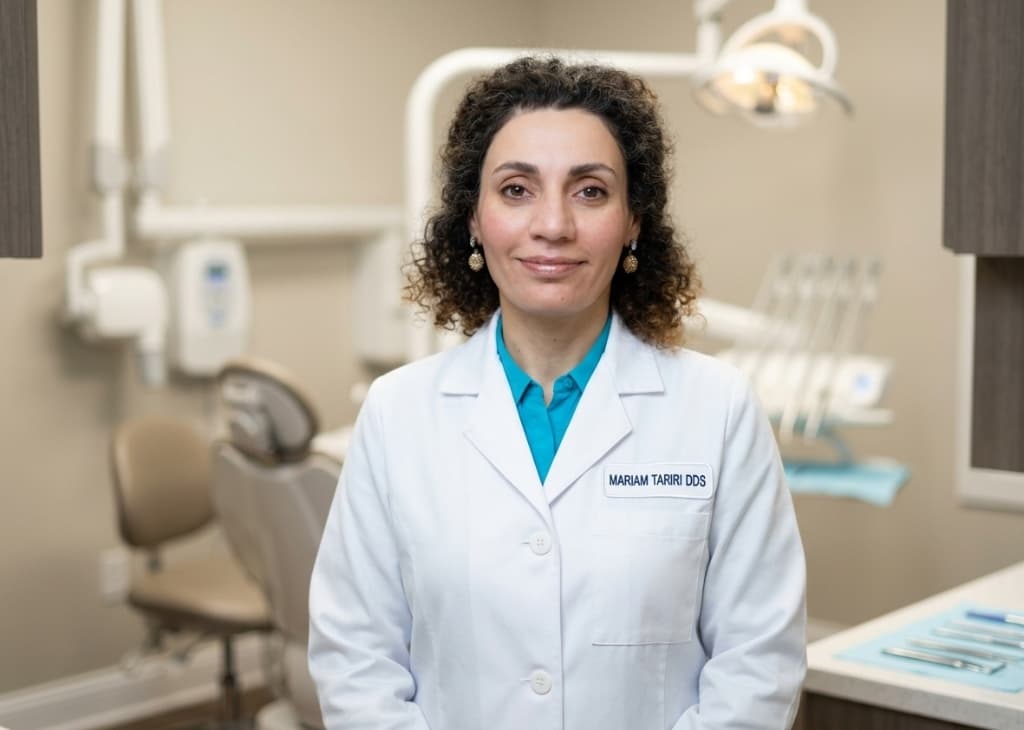
Dr. Mariam Tariri
Lead Dentist, DDS
Dr. Mariam Tariri is a graduate of the University of Washington School of Dentistry and is dedicated to providing conservative, precise dental care to the Kirkland community. She is an active member of the ADA and WSDA.
View Professional Profile →Medical Disclaimer: The information provided on the Órale Care website is for educational and informational purposes only. It is not intended as a substitute for professional dental or medical advice, diagnosis, or treatment. Always seek the advice of your dentist or other qualified healthcare provider with any questions you may have regarding a medical condition or treatment.