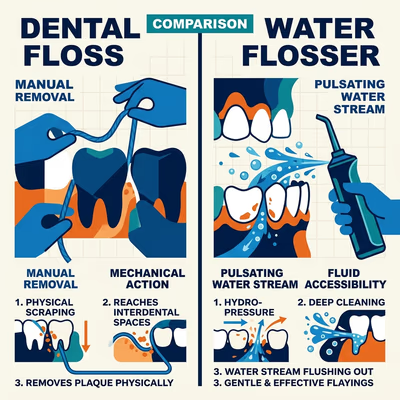
The debate between traditional string floss and modern water flossers (oral irrigators) is one of the most common discussions happening in dental chairs today. For decades, traditional string floss was touted as the undisputed champion of interproximal (between the teeth) health. However, recent clinical efficacy studies published by the NIH have dramatically changed the narrative.
Let’s examine the clinical science behind the two tools.
String Floss: The Mechanical Scraper
Traditional string floss operates on friction. To be effective, the string must be wrapped tightly into a "C-shape" around the neck of the tooth and scraped vertically.
The Pros:
- Exceptional at breaking the structural matrix of sticky, dense biofilm.
- The only method that physically scrapes plaque off the direct contact points where teeth physically touch.
The Cons:
- Technique Sensitivity: 90% of patients do not floss correctly, often merely snapping it between the teeth and missing the crucial subgingival (below the gum) contour.
- Limited Reach: String floss cannot effectively reach deeper into periodontal pockets (>3mm) to clean out active infections.
Water Flossers: The Hydro-Kinetic Disruptor
Water flossers use a high-pressure, pulsating stream of water to flush out spaces.
The Pros:
- Superior Gingivitis Reduction: Studies consistently show that water flossers are up to twice as effective as string floss at reducing gingival bleeding and inflammation.
- Pocket Penetration: The pulsating hydro-kinetic energy can flush bacteria out of periodontal pockets up to 6mm deep, vastly outperforming completely restricted string floss.
- Accessibility: Extremely effective around braces, dental implants, crowns, and bridges where string floss often gets caught or fails to penetrate.
The Cons:
- Not as effective at physically detaching "sticky" mature calculus if the pressure angle is incorrect.
The Verdict
Which is better? The clinical reality is that they are complementary, not mutually exclusive.
String floss is a mechanical scraper, essential for the tight contact points between the enamels. A water flosser is a hydro-kinetic lavage, essential for flushing deep periodontal pockets and reducing overall tissue inflammation.
However, clinical research concludes: **If you suffer from bleeding gums (gingivitis), or have braces and implants, adding a water flosser will yield significantly faster and vastly superior clinical healing compared to string floss alone.
Not sure which interdental tools are right for your unique anatomy? The team at Órale Care in Kirkland can evaluate your gum health, measure your periodontal pockets, and recommend the exact tools and techniques you need to eliminate bleeding gums. Schedule an appointment today to discover your optimal home-care strategy.**
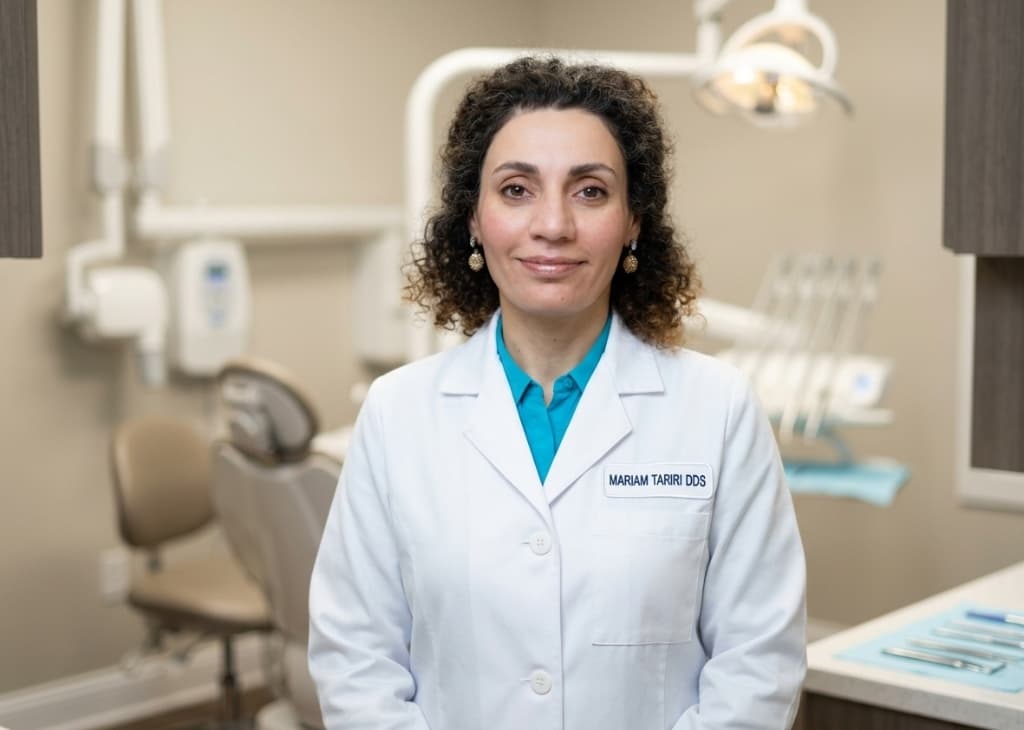
Dr. Mariam Tariri
Lead Dentist, DDS
Dr. Mariam Tariri is a graduate of the University of Washington School of Dentistry and is dedicated to providing conservative, precise dental care to the Kirkland community. She is an active member of the ADA and WSDA.
View Professional Profile →Medical Disclaimer: The information provided on the Órale Care website is for educational and informational purposes only. It is not intended as a substitute for professional dental or medical advice, diagnosis, or treatment. Always seek the advice of your dentist or other qualified healthcare provider with any questions you may have regarding a medical condition or treatment.